Sacred Pilgrimage Sites
Visit the holiest temples nestled in the majestic Himalayas
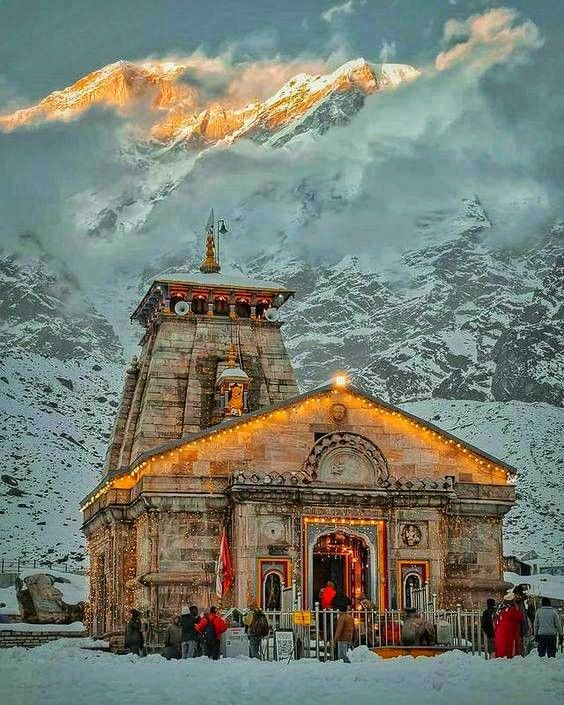
Kedarnath
Sacred Jyotirlinga at 3,580m
Perched majestically in Uttarakhand's Garhwal Himalayas at 3,580 meters, the ancient Kedarnath Temple stands as one of India's 12 sacred Jyotirlingas and a cornerstone of the revered Chota Char Dham pilgrimage. Legend holds that the Pandavas built this shrine to seek Lord Shiva's forgiveness, with the current magnificent structure re-established by Adi Shankaracharya in the 8th century.
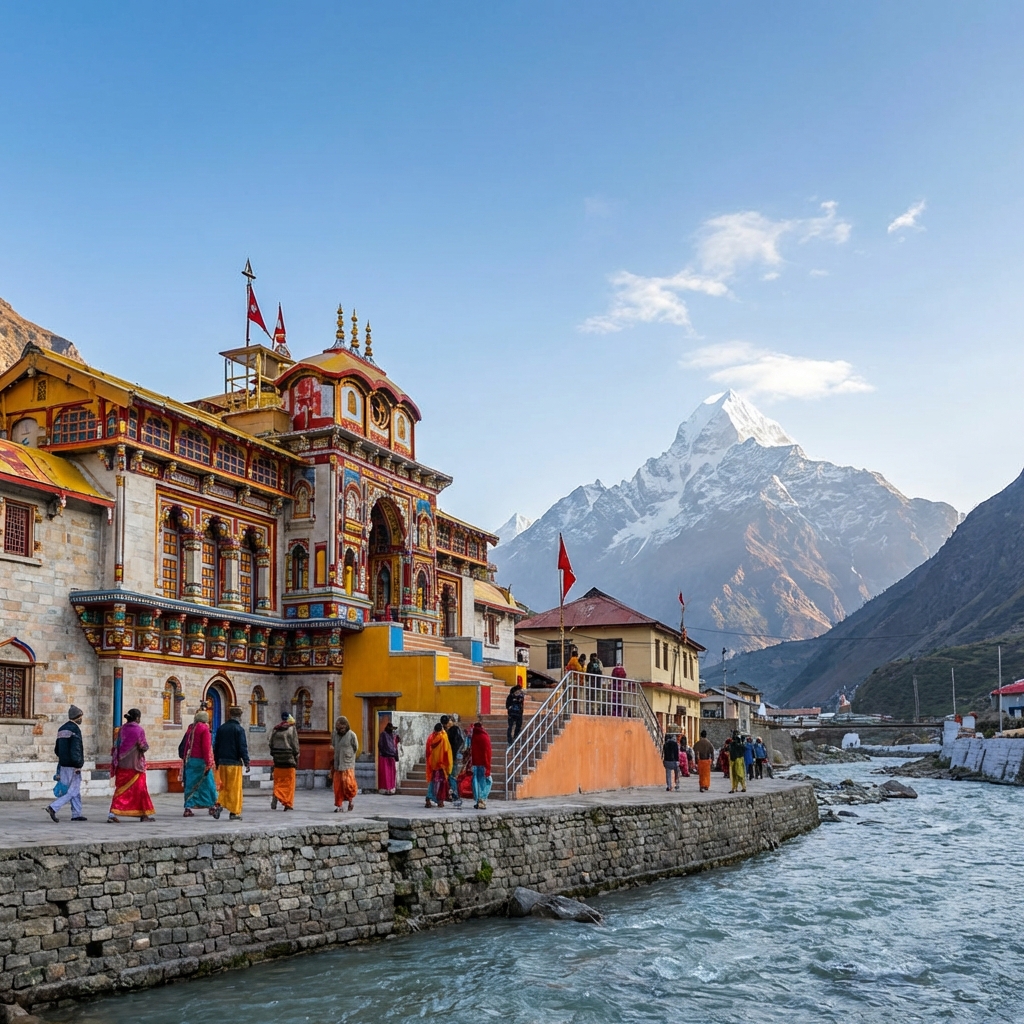
Badrinath
Abode of Lord Vishnu
Dedicated to Lord Vishnu, Badrinath is one of the most sacred temples in India. Situated along the banks of the Alaknanda River, it is accessible by road and offers darshan of the sacred Vishnu deity.
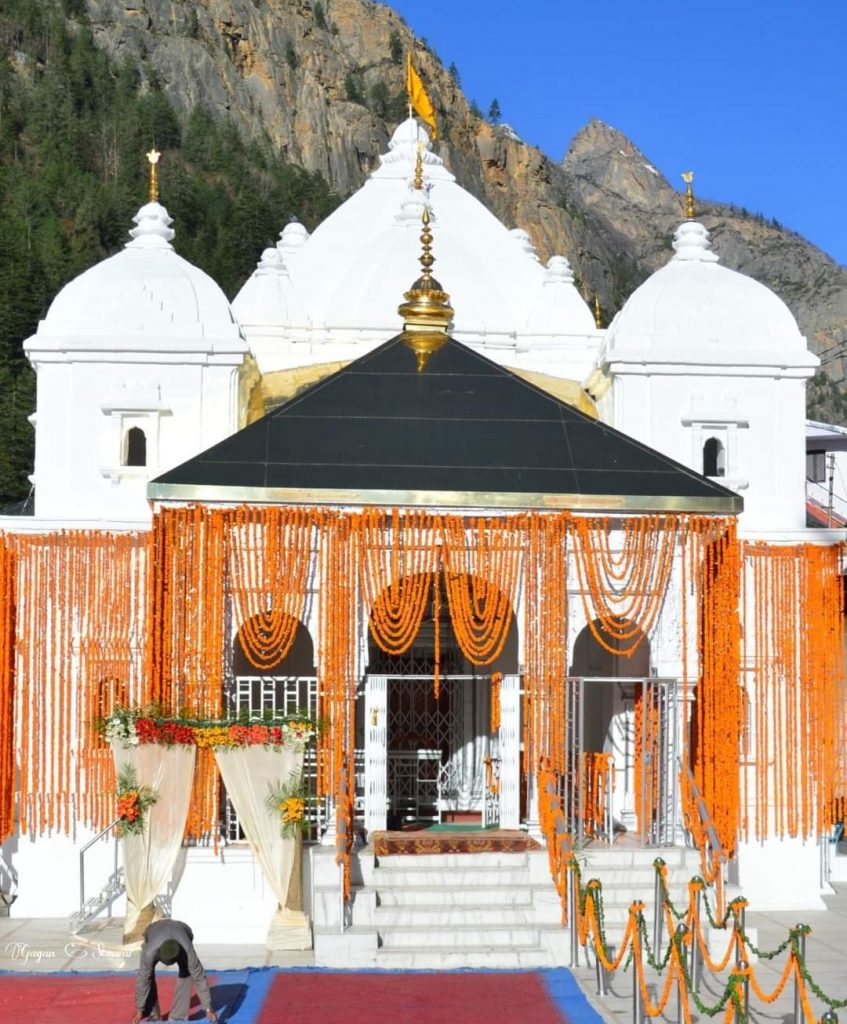
Gangotri
Origin of the Sacred Ganges
Gangotri is the origin of the River Ganges and seat of Goddess Ganga. The temple was constructed by Amar Singh Thapa, a Gorkha General, in the early 18th century. The holy river emerges from the Gangotri glacier as Bhagirathi.
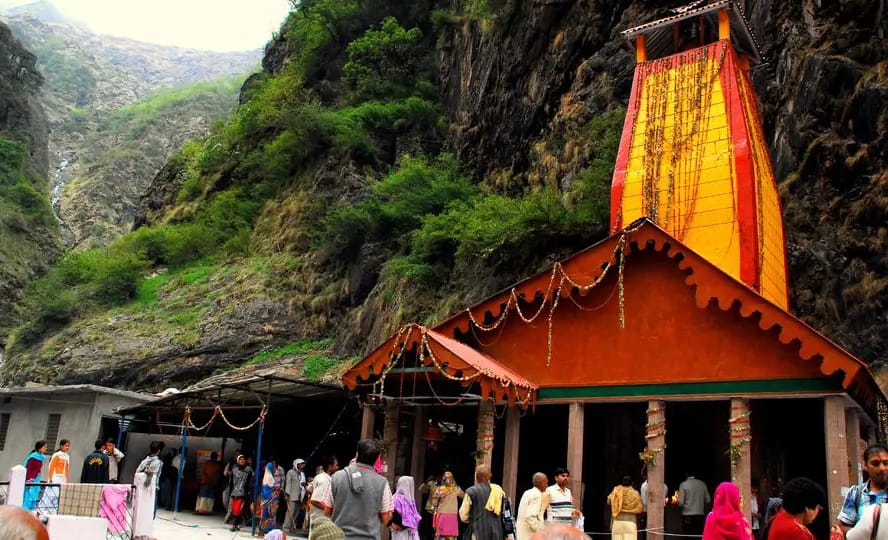
Yamunotri
Source of River Yamuna
The westernmost shrine of the Char Dham, Yamunotri is the source of the Yamuna River. The temple is dedicated to Goddess Yamuna and requires a 6 km trek from Janki Chatti. Hot water springs add to its spiritual significance.
Scenic Hill Stations & Treks
Experience adventure and natural beauty
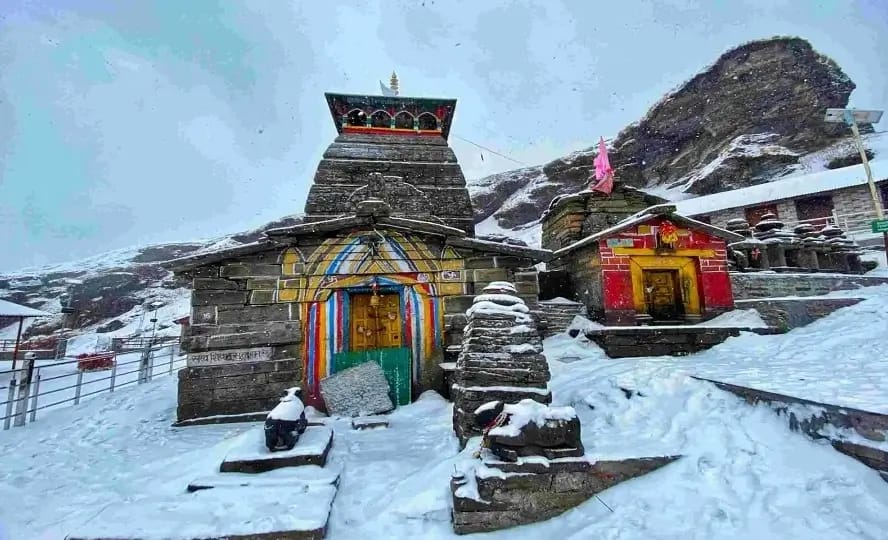
Tungnath
World's Highest Shiva Temple
Rising to 3,680 meters, Tungnath holds the remarkable distinction of being the world's highest Shiva temple and the third of the sacred Panch Kedar temples. Believed to be over 1,000 years old, this ancient shrine was established by the Pandavas to appease Lord Shiva after the Mahabharata war, marking the sacred spot where Shiva's arms (bahu) appeared.
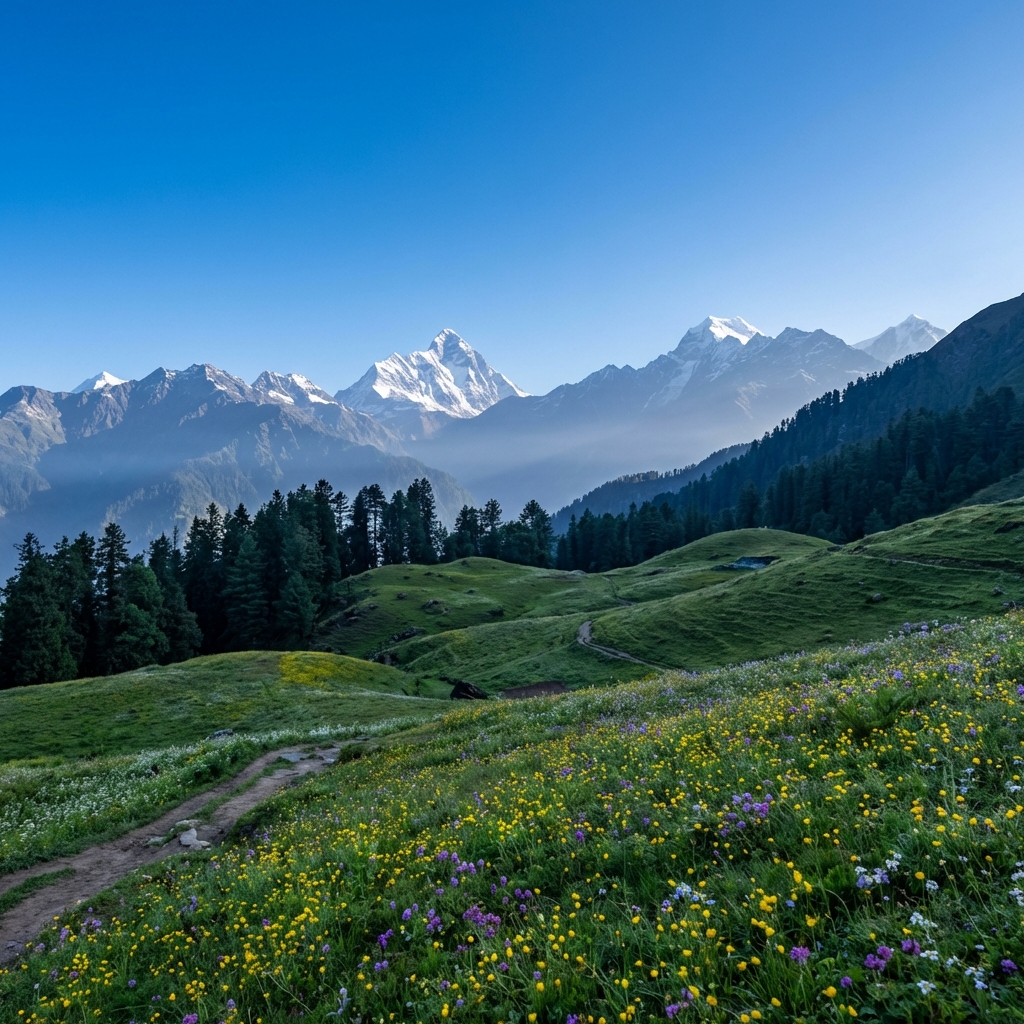
Chopta
Mini Switzerland of Uttarakhand
Often called the "Mini Switzerland of India," Chopta is a pristine hill station offering spectacular views of snow-capped Himalayan peaks including Nanda Devi and Trishul. It serves as the base for the Tungnath-Chandrashila trek.
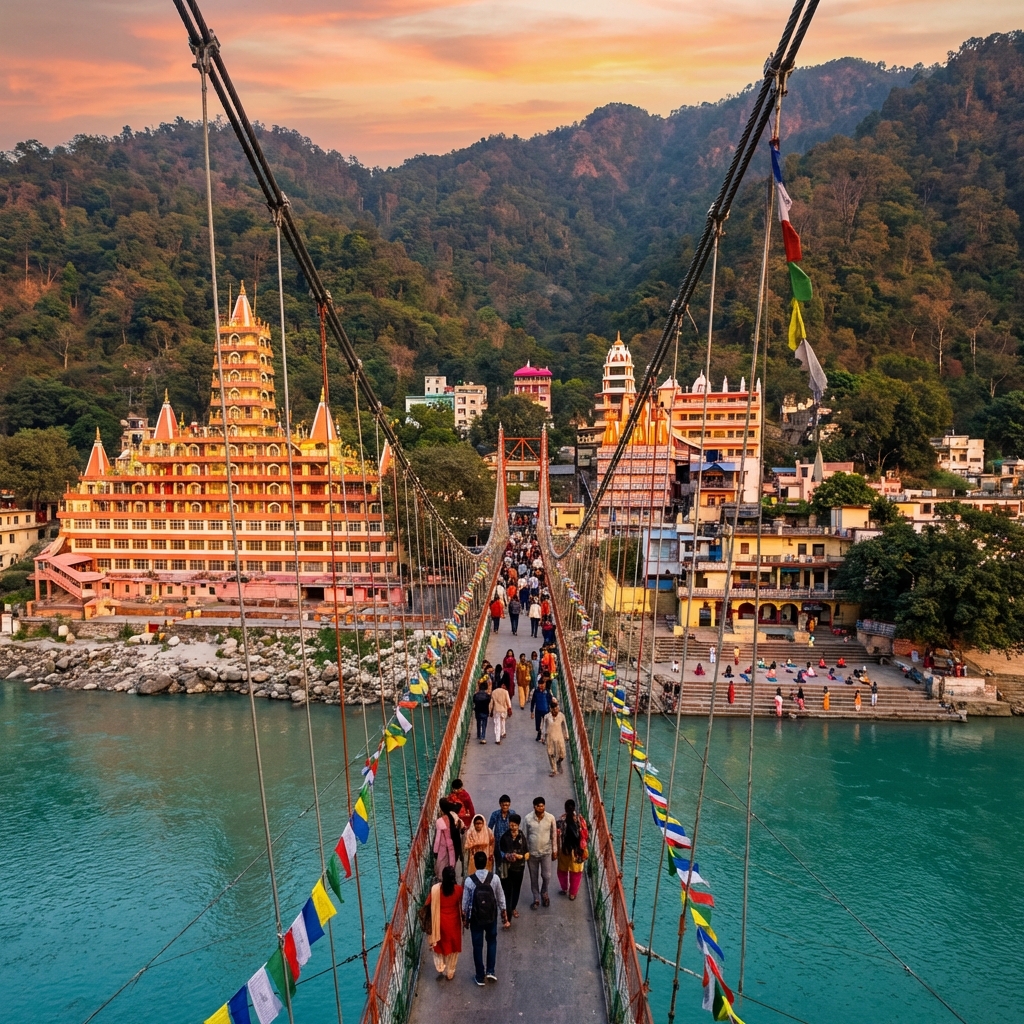
Rishikesh
Yoga Capital of the World
Known as the "Gateway to the Garhwal Himalayas," Rishikesh is a spiritual hub and adventure destination. Famous for yoga, meditation, river rafting, and the iconic Lakshman Jhula, it's the starting point for Char Dham Yatra.
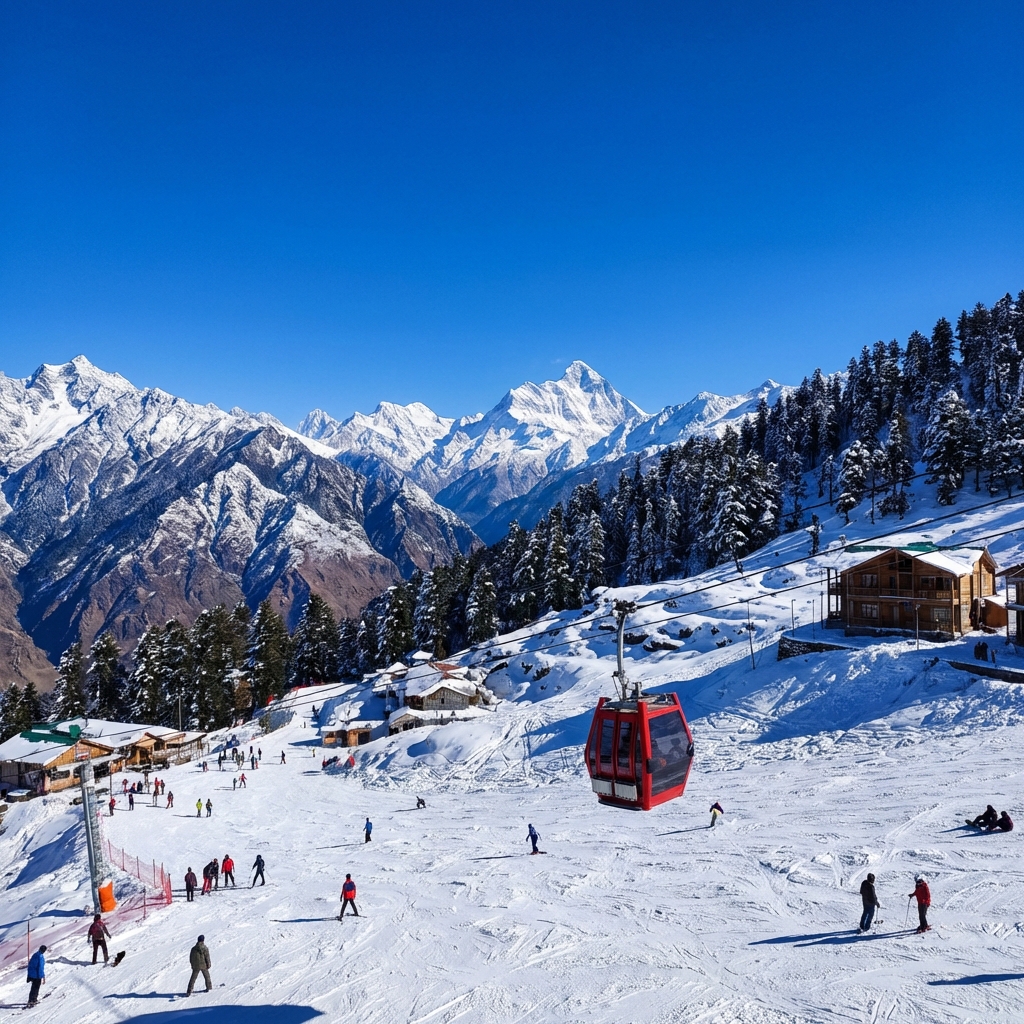
Auli
Skiing Paradise
Auli is a renowned skiing destination with panoramic views of Nanda Devi, Kamet, and other Himalayan peaks. The meadows of Auli, connected by Asia's highest cable car, offer world-class skiing facilities in winter and trekking in summer.
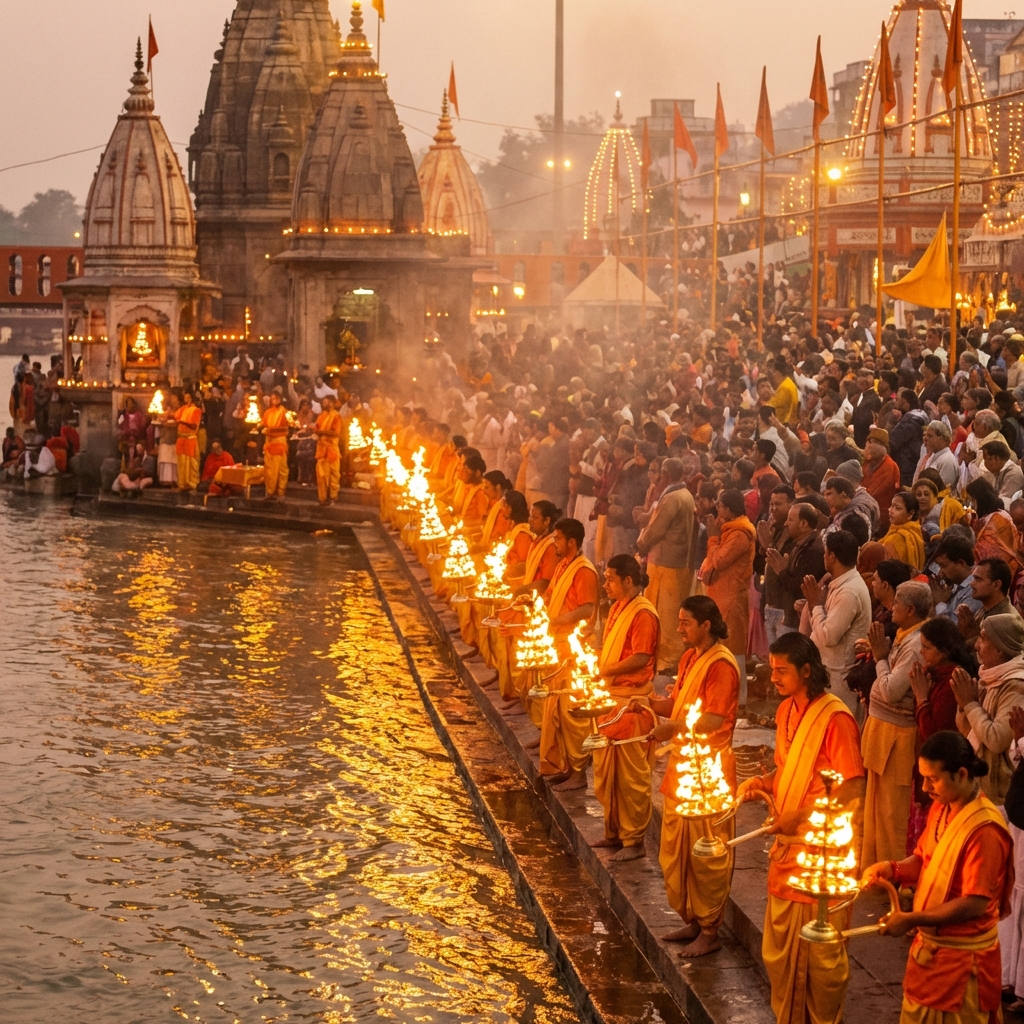
Haridwar
Gateway to Gods
One of the seven holiest places in Hinduism, Haridwar is where the Ganges enters the plains. The evening Ganga Aarti at Har Ki Pauri is a magnificent spiritual experience. It's the starting point for all Char Dham pilgrimages.
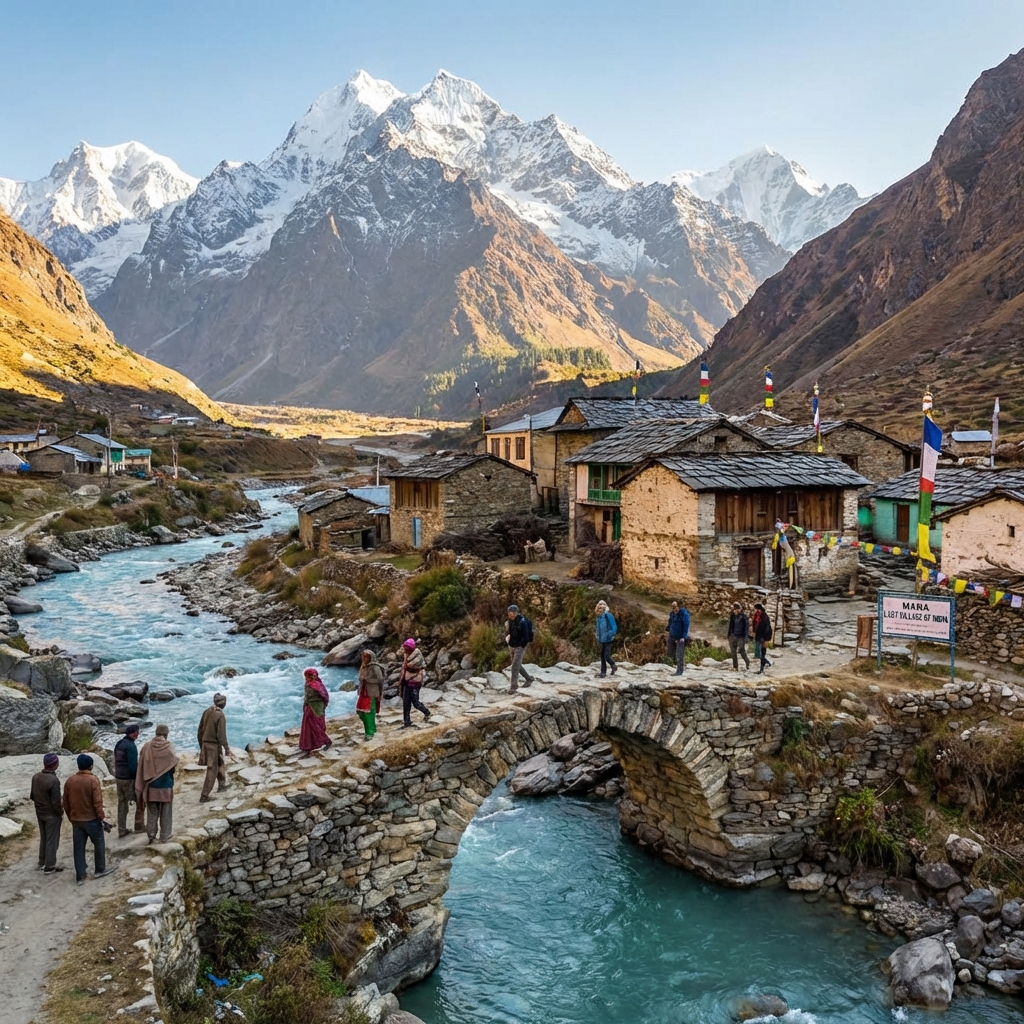
Mana Village
Last Village of India
Just 3 km from Badrinath, Mana is the last Indian village on the Indo-Tibetan border. Visit the mythical Bheem Pul, Vyas Gufa (Sage Vyasa's cave), and Vasudhara Falls. The village offers authentic local culture and handicrafts.
Panch Kedar Temples
The Five Sacred Shiva Temples of Garhwal Himalayas
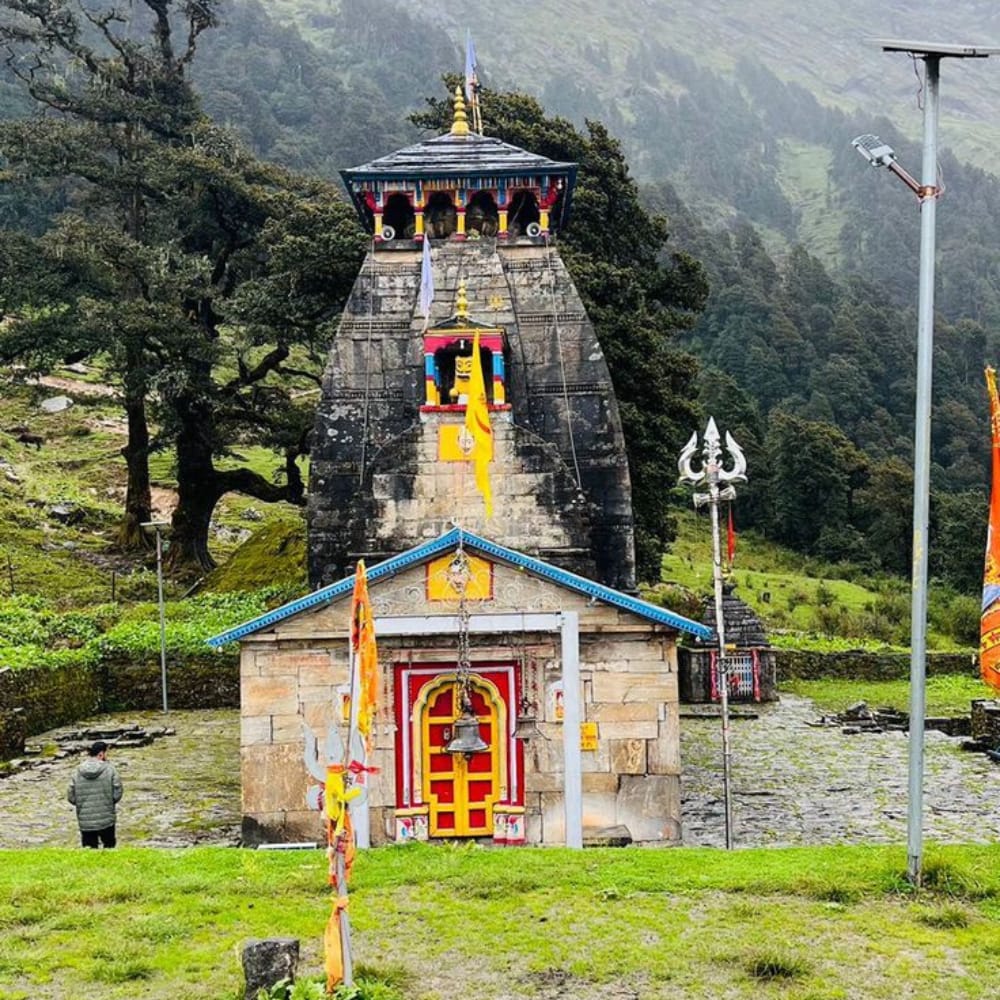
Madmaheshwar Temple
The Navel of Lord Shiva
Nestled at 3,497 meters in the serene Garhwal Himalayas, Madmaheshwar Temple is the fourth temple of the sacred Panch Kedar circuit. This divine site marks where Lord Shiva's navel and stomach manifested, believed to have been established by the Pandava brothers to seek redemption for sins committed during the Kurukshetra war.
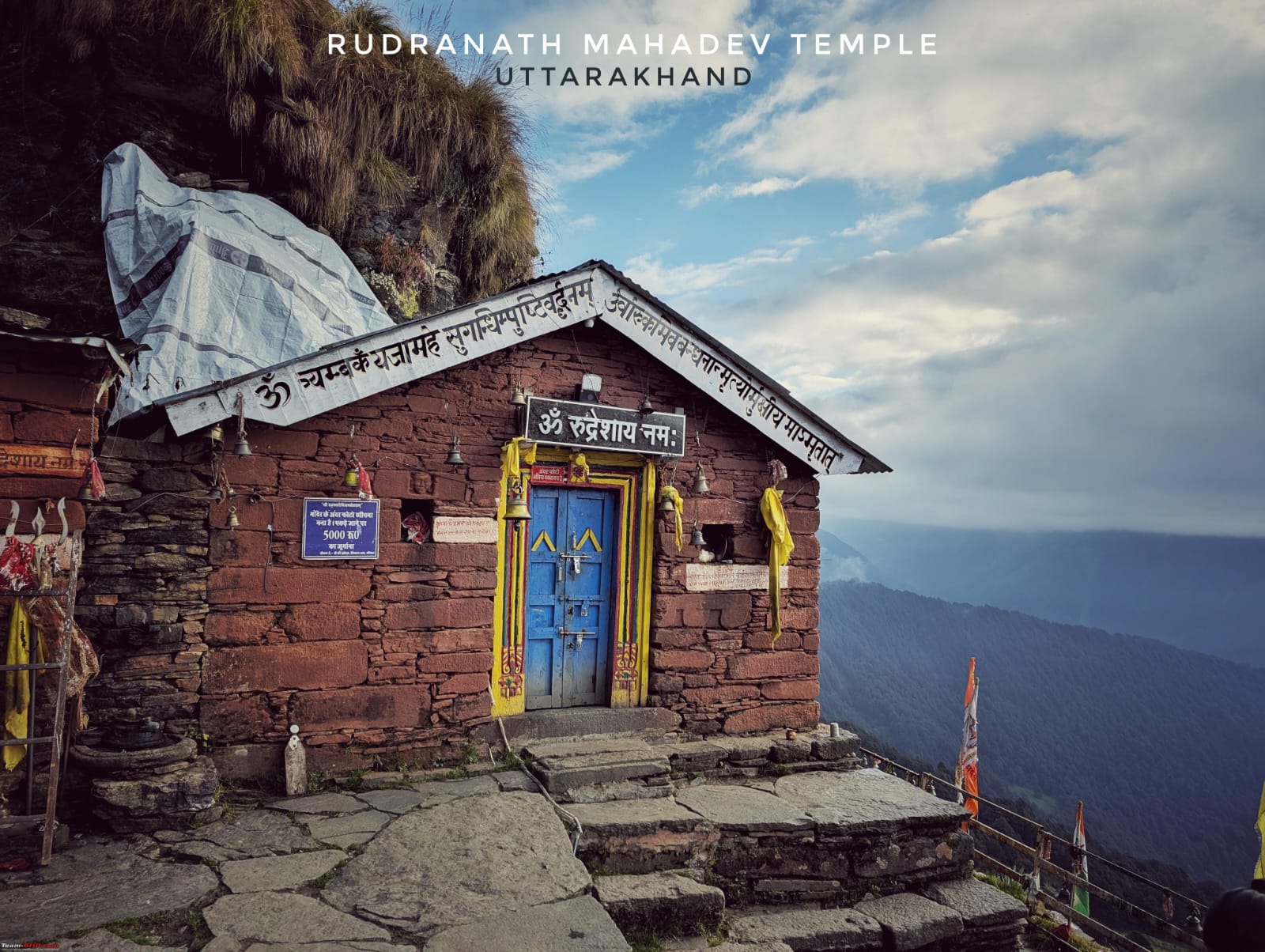
Rudranath Temple
The Face of Lord Shiva
Perched amidst alpine meadows in Chamoli district, Rudranath is an ancient 8th-century rock temple dedicated to Lord Shiva's face, worshipped as "Nilkanth Mahadev." This sacred site is the third of the Panch Kedar temples, established by the Pandavas as penance after the Mahabharata war.
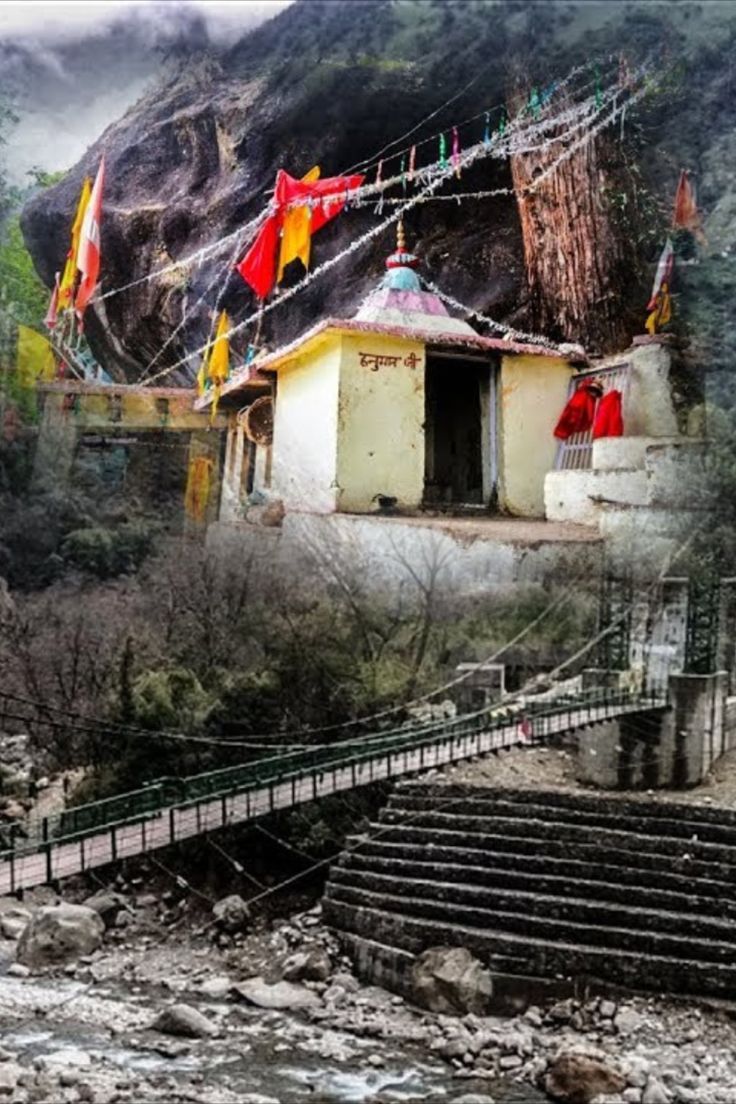
Kalpeshwar Temple
The Matted Hair of Lord Shiva
Uniquely accessible year-round, Kalpeshwar Temple in the scenic Urgam Valley is where Lord Shiva manifested his matted locks (jata) to grant the Pandavas absolution. This ancient shrine features a mystical subterranean cave tunnel leading to the sanctum, making it the only perpetually accessible Panch Kedar temple.
Panch Badri Temples
The Five Sacred Vishnu Temples of Garhwal Himalayas
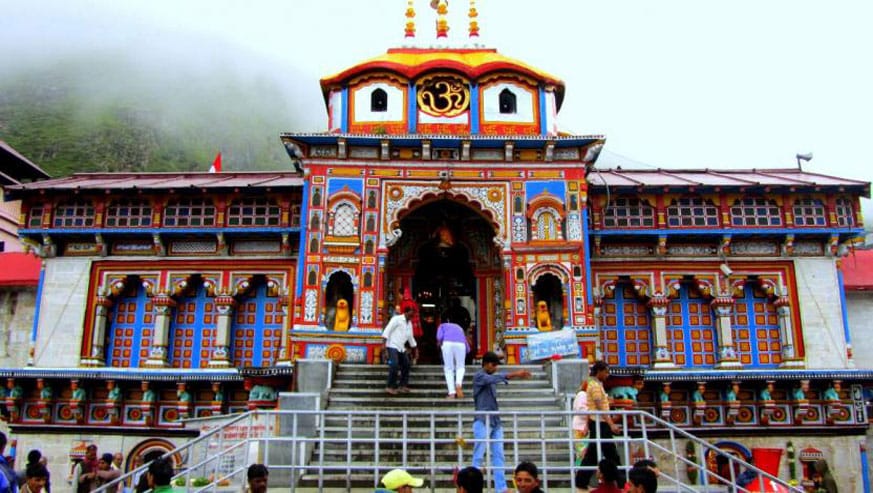
Badrika Ashram
The Primary Abode of Lord Vishnu
According to ancient Hindu legends, Lord Vishnu chose this sacred site for deep meditation. Goddess Lakshmi devotedly shielded him as the Badri tree. Moved by her profound devotion, Vishnu blessed this location as Badrika Ashram, which evolved into the renowned Badrinath Temple.
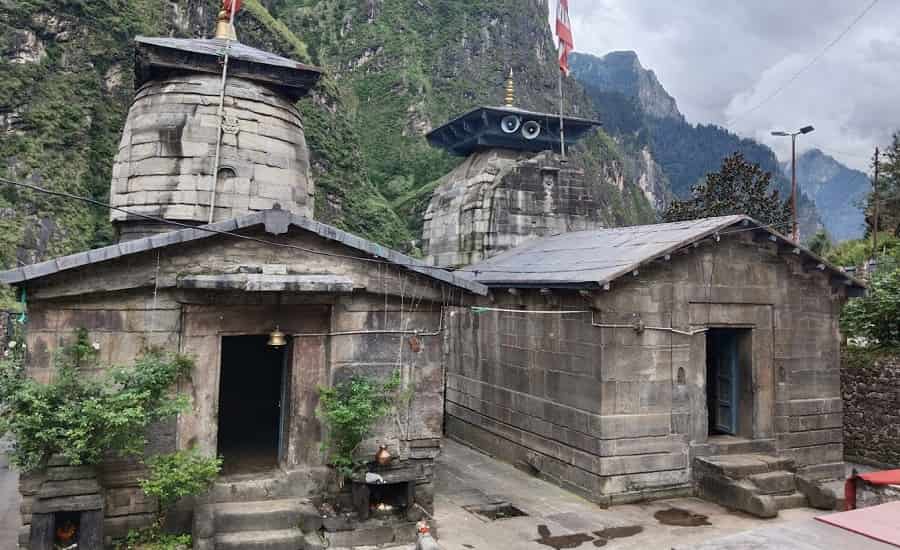
Yogdhyan Badri
Temple of Divine Meditation
Located in historic Pandukeshwar, Yogdhyan Badri is an ancient temple believed to be as old as Badrinath itself. King Pandu meditated here seeking redemption, and the Pandavas rested here before their final journey. During winter, it serves as home for the sacred Badrinath idol.
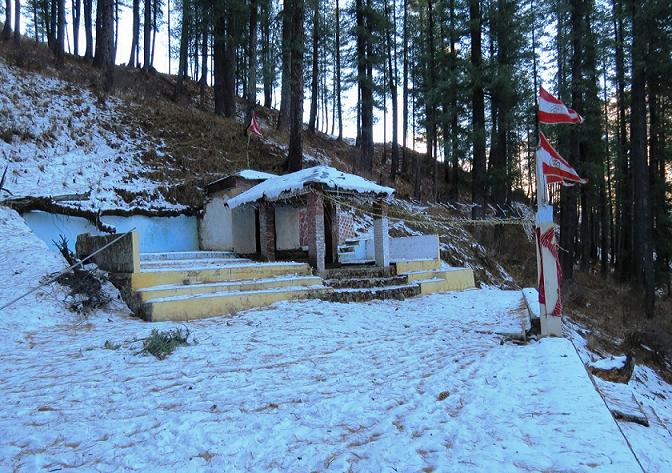
Bhavishya Badri
The Future Badrinath
Ancient prophecies foretell that when Badrinath becomes inaccessible in Kaliyuga, Lord Vishnu will establish his new abode at Bhavishya Badri - meaning "Future Badrinath." This mysterious temple near Joshimath will become the center of Vishnu worship in the future.
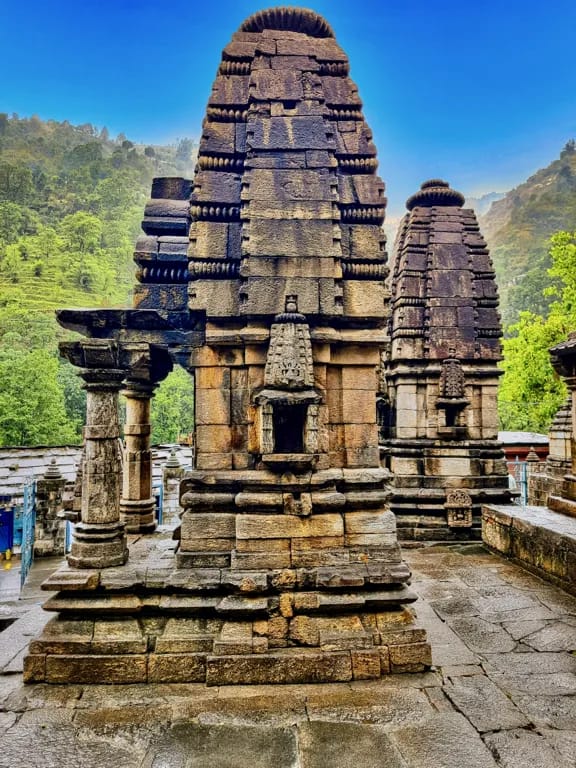
Adi Badri
The Original Abode | 16 Shrines
Adi Badri is a remarkable ancient temple complex featuring 16 sacred shrines, believed to have been constructed by Adi Shankaracharya in the 8th century. As part of the Sapta Badri circuit, this site is considered the original home of Lord Vishnu before his transition to Badrinath.
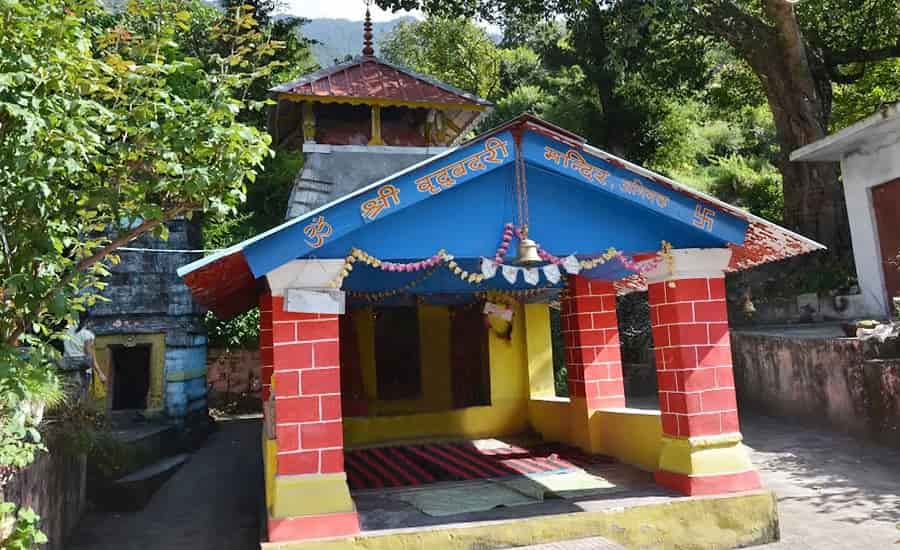
Vridha Badri
The Ancient Badri | First of Panch Badri
Nestled in Animath village near Joshimath, Vridha Badri is revered as the original abode of Lord Vishnu, pre-dating even the great Badrinath Temple. Lord Vishnu appeared here as an elderly man to sage Narada during his penance. It remains open throughout the year.